Signal Intelligence
Framework breakdowns. Pattern analysis. Market intelligence. No noise.
Market Timing as a Filter, Not a Signal
Most retail systems treat timing as the trigger. InDecision treats it as the last thing checked, worth only 10% of the score, because timing alone has never once told anyone which way price is going.
From Raw Signal to Conviction Score: The Full Calculation
A conviction score is not a vibe with a percentage sign attached. It's a weighted calculation with five moving inputs, one override layer, and a hard rule about when to output nothing at all.
Journaling Your Losers: The Uncomfortable Path to Consistency
Winning trades teach you almost nothing. The losers are where the actual signal about your process lives, and most traders throw that data away out of pure discomfort.
Basis Trading and Why Crypto Has Persistent Inefficiencies
The gap between spot and futures prices in crypto never fully closes, and that's not a bug in the market — it's a structural feature that pays out to whoever understands why it exists.
How InDecision Reads Divergence Across Six Factors
Most frameworks break when their inputs disagree. InDecision treats disagreement as the signal itself — here's the mechanism that turns six-factor divergence into a trading edge.
Pre-Trade Checklists and Why Discipline Beats Intuition
Every blown account has the same origin story: a good trader who trusted a feeling instead of a process. Here is why a written checklist outperforms instinct, and what a real one actually contains.
The Consolidation Breakout vs. the Fake-Out: How to Tell the Difference
Most breakouts fail. The chart pattern that looks identical at 80% confidence and at 20% confidence is the same shape — the difference is buried in data most traders never check.
Order Book Depth and the Real Bid-Ask Story
The top of the order book is a lie traders tell themselves. The real story is buried three levels deeper, and it changes everything about how a move actually happens.
The Abstention Signal: When Not Trading Is the Trade
Every trading system tells you when to buy and when to sell. The best ones also tell you when to do nothing — and that signal is the hardest one to obey.
Overtrading: The Market Is Not Your Entertainment
Every extra trade you take beyond your edge is a bet against your own statistics. Here's the mechanism by which boredom quietly destroys more accounts than bad analysis ever will.
Price Action at Round Numbers: Why $50K Means More Than $49,800
A $200 gap separates two prices that should behave identically. They don't. The reason has nothing to do with value and everything to do with how humans and algorithms process numbers.
How Market Makers Manage Inventory Around Key Levels
Market makers don't defend price levels because they believe in them. They defend inventory positions that happen to cluster there. Understanding the difference changes how you read every bounce and rejection.
How InDecision Scores a 9/10 Conviction vs a 5/10
A conviction score is not a vibe check — it is five weighted factors and a risk override collapsed into a single number. Here is exactly how a 9 gets built and why a 5 gets left alone.
The Waiting Game: Why Patience Is the Highest-Value Skill
Every trading system eventually gets good at finding setups. Almost none get good at doing nothing between them — and that gap is where most accounts actually die.
Multi-Timeframe Pattern Confluence: When Weekly Confirms Daily
A daily chart pattern is a hypothesis. It only becomes a thesis when the weekly agrees. Here's the mechanical difference between a signal and a coincidence.
Why Crypto Moves in the Early Hours of Asian Session
The biggest directional moves in crypto cluster in a four-hour window most Western traders sleep through. The mechanism behind it is structural, not superstitious.
Why Risk Context Overrides Everything Else
A 91% conviction score means nothing if the market structure underneath it is broken. Here's why InDecision treats Risk Context as a veto layer, not just another input.
How to Think in Probabilities, Not Certainties
Every losing trader is fluent in the language of certainty. Every profitable one has learned to speak in odds instead — and the switch changes everything about how a position is sized, held, and cut.
How Wicks Tell the Real Story That Bodies Don't
A green body means price closed higher. It says nothing about the fight that happened before the close, and that fight is where the next move gets decided.
The Anatomy of a Crypto Market Flush
A flush is not a crash and it is not noise — it is a specific, mechanical unwind of leverage that follows the same sequence every time. Knowing the sequence tells you where price stops falling before the candles do.
Timeframe Alignment: Why the Same Chart Tells Different Stories at Different Zoom Levels
A five-minute chart and a daily chart can show the exact same asset and argue opposite conclusions. The multi-frame confirmation signal exists because either one, read alone, is a coin flip.
Volume Profile and the High-Value Nodes That Matter
Price moves fast. Volume stays. The nodes where volume concentrated aren't history — they're the market's operating manual for every future test of that level.
Liquidation Cascades: How Smart Money Hunts Stops
The fastest moves in crypto rarely begin with conviction. They begin with forced exits. Once you understand where leverage sits, the market stops looking random.
Ascending Triangle: The Repeated Bid That Traps Sellers
An ascending triangle is not a prediction. It is a record of repeated behavior under pressure. When buyers keep absorbing supply at the same level, the market is showing its hand before the breakout.
Why the Last Entry Feels Like the Best One
The trades that feel most urgent usually arrive with the weakest edge. That mismatch is not emotional weakness; it is a signal that the market has already done the easy part without you.
The Descending Triangle: When Bulls Run Out Of Ammunition
A descending triangle is not a prediction. It is a record of demand failing at the same level while sellers keep meeting the market lower. That asymmetry matters because it shows which side is running out of inventory first.
Liquidation Cascades: Reading The Stop Run Before It Starts
Most liquidation events are not random accidents. They are the mechanical result of crowded positioning, thin liquidity, and predictable stop placement. The traders who survive them do not predict the wick; they read the structure that makes it possible.

Position-Level Orphan Detection: Why Heartbeat Monitoring Isn't Enough
A 16-hour bot outage left three short positions running without a managing process. The council debates what orphaned positions reveal about the gap between infrastructure monitoring and actual trading risk.
Confirmation Bias In Chart Reading: Seeing What You Want To See
Most chart mistakes are not failures of pattern recognition. They are failures of discipline. Confirmation bias turns uncertainty into confidence and confidence into bad trades.

Hot Reload, Cold Logic: What Zero-Downtime Deployment Means for Your Trading Edge
A live trading bot that updates itself without stopping execution sounds like pure engineering win. The council isn't so sure. Four perspectives on what hot reload architecture actually means for signal quality, state integrity, and whether seamless deployment is a feature or a new class of silent risk.
Wyckoff Accumulation: How Institutions Build Positions Without Moving Price
Most accumulation does not look like strength. It looks like indecision, failed breakdowns, and compressed volatility. That is the point: institutions do not need price to move when they are still buying.
The Edge Is Not the Model, It's the Recovery Ladder
Long/Short Ratio as a Contrarian Signal
When the crowd leans too far in one direction, the market often sets up in the opposite direction first. The long/short ratio is not a timing tool by itself; it is a positioning map that becomes useful only when price, volume, and timeframe alignment agree.

Zero-Downtime Code Updates in Live Trading Systems: The Hot Reload Architecture Pattern
Deploying code changes to a live trading bot without stopping it sounds like a DevOps nicety. The council argues it's actually a signal integrity question — and the four personas can't agree on whether continuous execution is an edge or a liability.
Market Timing Is a Filter, Not a Signal
Most traders treat timing like prophecy. That is the wrong job. Timing is the gate that decides whether a setup deserves capital, not the engine that creates the setup in the first place.
The Revenge Trade: How Losses Manufacture Bad Decisions
Losses do not just hurt your P&L. They distort your time horizon, compress your judgment, and make otherwise disciplined traders behave like amateurs. The revenge trade is not an emotional weakness; it is a measurable failure mode.
Double Bottom: When the Market Tests and Confirms a Floor
Most traders treat the second low as a buy signal. It isn't. The double bottom is a confirmation structure — and the distinction between a test and a confirmed floor separates profitable setups from expensive lessons.
How Exchange Netflows Predict Short-Term Price Direction
Most traders watch price. The informed ones watch where the coins are moving before price does. Exchange netflows are one of the cleanest leading signals in crypto—here's the mechanism.
Technical Confluence: When Multiple Signals Stack
One signal is an observation. Three independent signals converging at the same level are an argument. Here's how InDecision quantifies the difference — and why most traders miss it.
Why Profitable Traders Miss Moves Intentionally
Elite traders don't maximize participation — they maximize selectivity. The discipline to watch a move happen without acting on it is not a weakness. It is the mechanism.
Cup and Handle: The Patient Crowd Finally Breaks Out
The cup and handle is the only classical pattern that punishes urgency and rewards patience by design. Most traders see the cup — almost none survive the handle.
Hot Reload Architecture for Live Trading Systems: Updating Code While Handling Real Money
Zero-downtime deployment sounds like a DevOps win. But for a bot placing real trades every 5 minutes, it's a signal integrity question — and the council is not aligned on whether seamless updates are a feature or a loaded gun.
The Perp-Spot Premium and What It Tells You
Perpetual futures rarely trade at spot price — and the gap between them is one of the loudest signals most traders ignore. Here's how to read it before the crowd does.
Timeframe Alignment and the Multi-Frame Confirmation Signal
Most traders lose the thread because they treat every timeframe as if it carries equal authority. The framework isolates when lower-timeframe movement is merely noise and when it is confirming a higher-timeframe structure.
Position Sizing as Risk Management, Not Bet Sizing
Most traders treat position size like a confidence dial. That is the wrong model. Size is a control on damage, not a multiplier on opinion.
Ascending Triangle: Why Buyers Keep Showing Up at the Same Level
An ascending triangle is not a prediction. It is a record of repeated demand absorption at the same price band. That difference matters because the setup only works when volume confirms who is actually in control.
Open Interest as a Liquidity Map
Open interest is not a sentiment gauge. It is a map of trapped inventory, crowded positioning, and where price will likely hunt next. Read it as liquidity structure, not as a directional indicator.
Volume Conviction: Why 25% of the Score Lives in Volume
Price can move on weak participation and still fail on contact. Volume separates a real impulse from a story traders tell themselves after the fact.
The FOMO Entry: Why Your Worst Trades Feel Like Your Best Ideas
The trades that feel most urgent are usually the ones with the weakest structure. That mismatch is not intuition, it is a warning signal the market has already learned to exploit.
Reading The Bulls' Dwindling Ammunition In A Descending Triangle
A descending triangle is not bearish because it looks tidy. It is bearish when buyers keep paying more effort for less progress while the base keeps absorbing supply.

Live Code, Live Edge: What Hot Reload Means for Trading Signal Integrity
Zero-downtime hot reload lets a live trading bot absorb code updates without missing a single market scan. The council debates whether seamless deployment is a signal edge multiplier or an untested risk surface hiding in plain sight.
Liquidation Cascades: How Smart Money Hunts Stops in Crypto Markets
Most stop losses do not fail randomly. They fail because price reaches a liquidity pocket, triggers forced selling, and turns a small imbalance into a cascade. The pattern is mechanical, repeatable, and visible before the flush if you know what to measure.

Hot Reload in Production: Does Uninterrupted Bot Execution Actually Create Edge?
Zero-downtime hot reload means live trading bots can update their logic without missing a single 5-minute candle. The council debates whether continuous execution is a genuine signal edge — or a new class of silent risk.
Liquidation Cascades and Stop Hunts: How Forced Selling Really Works
Most traders think liquidation cascades are random volatility. They are usually the market moving with surgical precision toward the exact pockets of forced selling and forced buying that weaker positioning creates.
How the Daily Pattern Factor Reads the 8-Hour Market Rhythm
Most traders treat intraday price as random noise. The Daily Pattern factor assumes the opposite: crypto keeps time, and the traders who ignore that clock keep paying for it.
Trading the 8-Hour Metronome: How Daily Pattern Analysis Finds Market Rhythm
Crypto does not move as randomly as most traders think. Beneath the noise, the market rotates through a repeatable 8-hour rhythm, and Daily Pattern Analysis is how the InDecision Framework turns that rhythm into conviction.
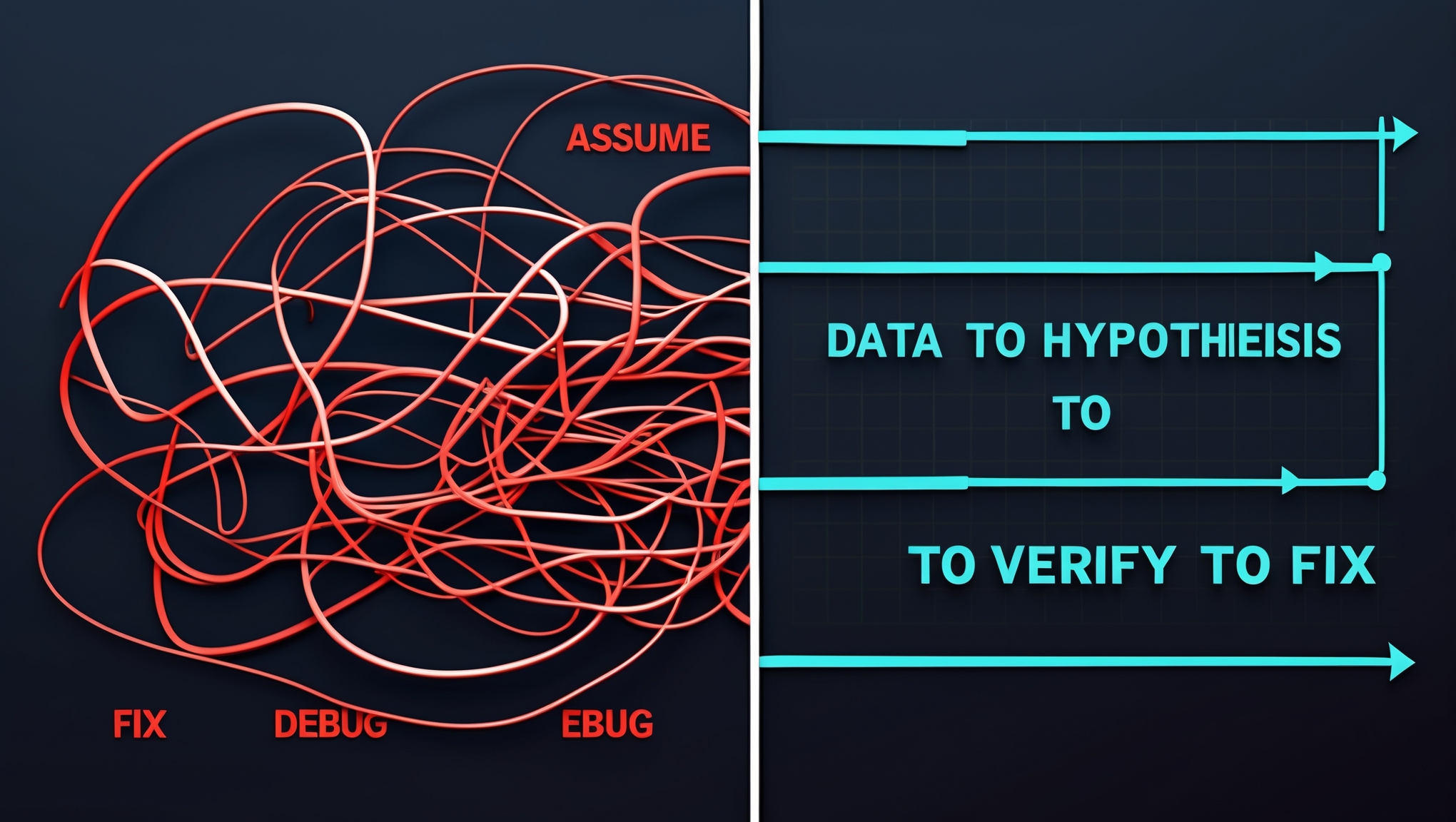
Evidence Before Design: A Debugging Discipline
The twenty minutes you spend pulling data before writing a fix are not lost time. They are the only reason the fix will be right. Most wrong solutions are built confidently on top of unverified assumptions — and the data was always one query away.
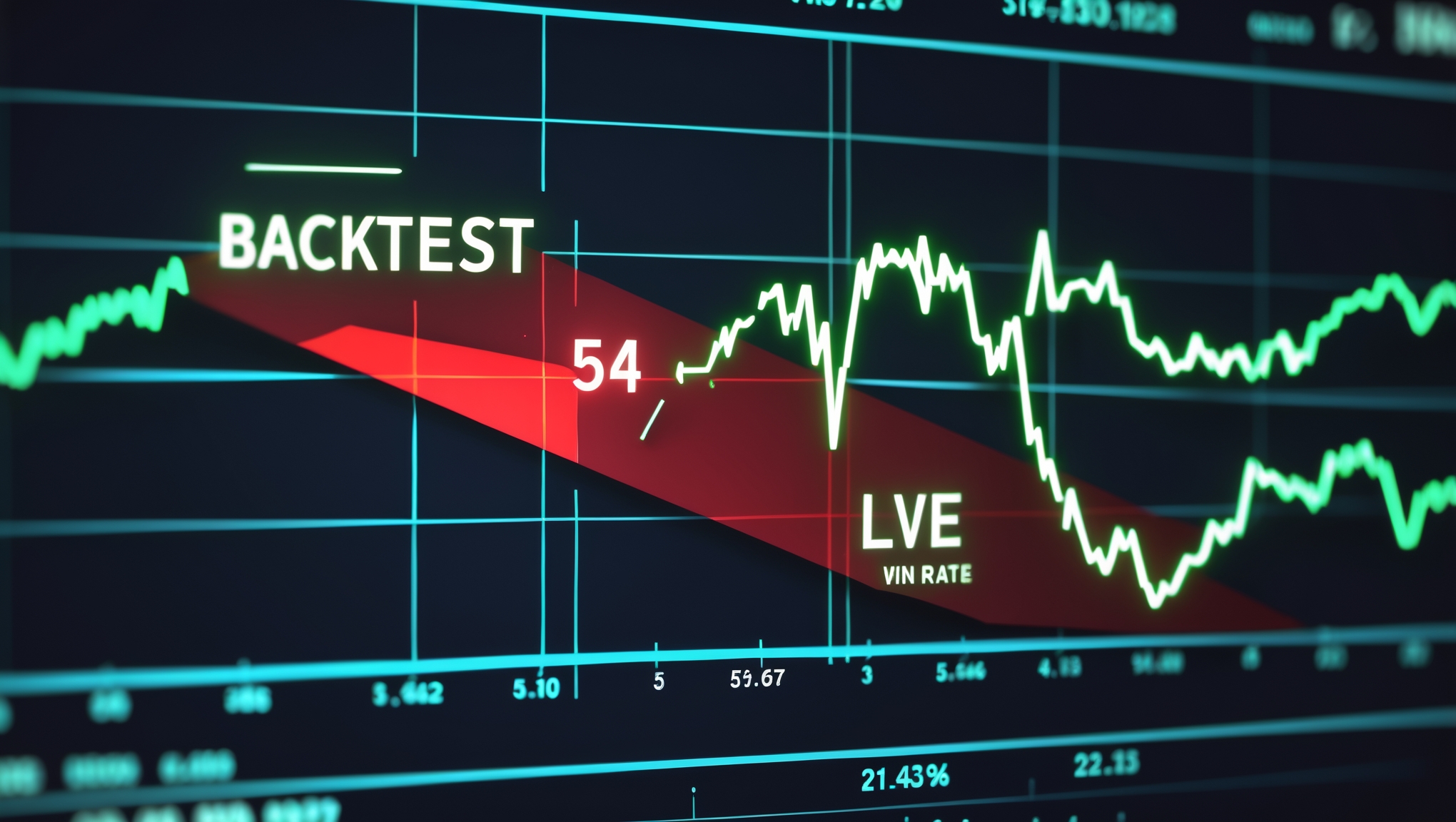
The 54% to 21.5% Problem
The backtest showed a 54% win rate. Live trading produced 21.5%. A 32.5 percentage-point divergence does not come from luck or regime change. Three concrete root causes, and why alignment tests should be a deploy gate on every scoring system.
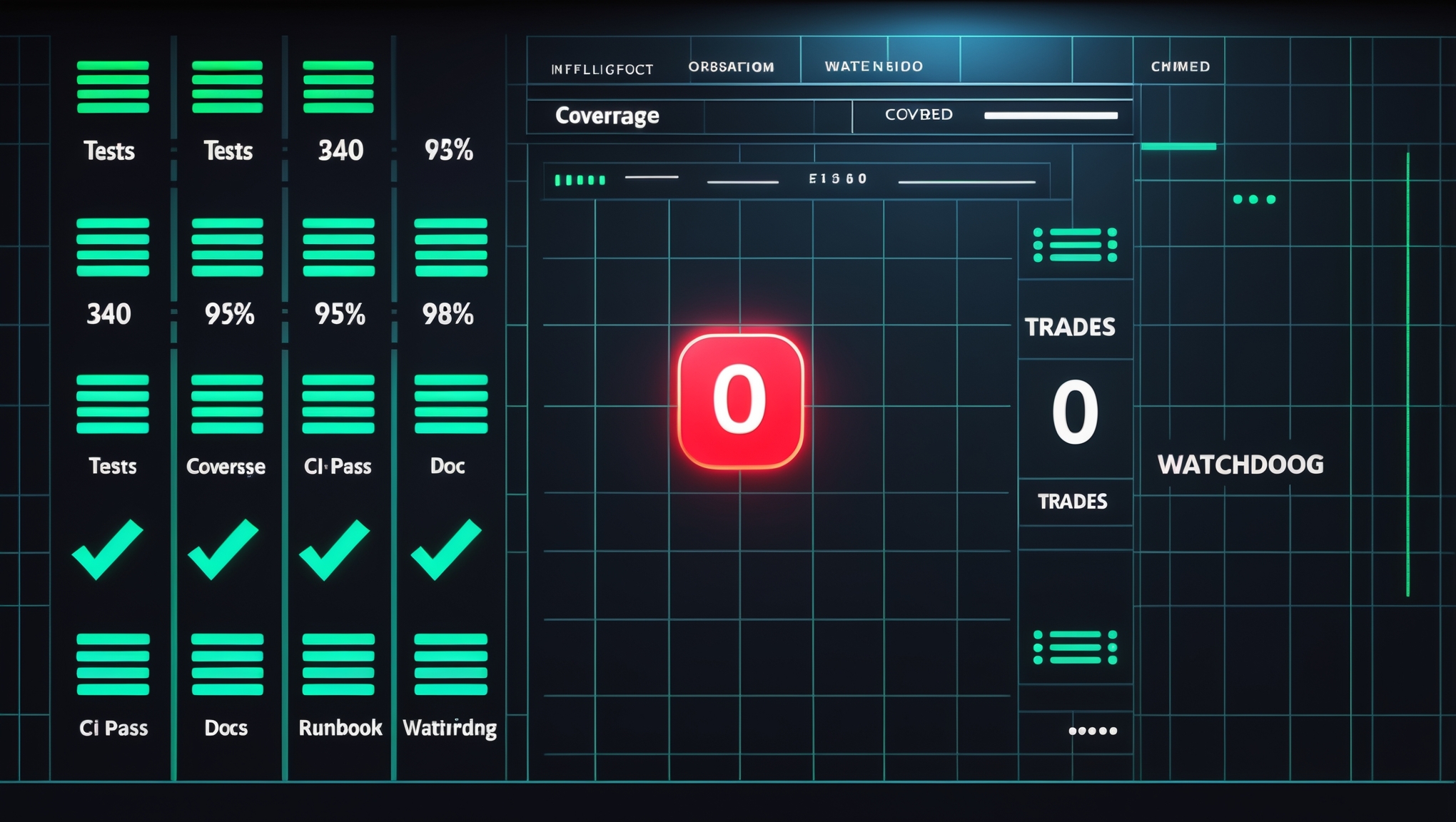
The Bot That Had Never Made a Dollar
Three hundred and forty tests. Ninety-five percent coverage. A runbook, a watchdog, a green CI badge. In three weeks it had never placed a real trade. The gap between tests pass and system works, and why fire-rate metrics matter more than coverage.
Why Your Strongest Signals Are Losing You Money
The InDecision Engine shipped with a conviction hierarchy that looked textbook-correct. An outcome correlator query overturned it in thirty seconds. The strongest conviction tier had a 49.4% win rate and negative PnL. The weakest directional tier had 75%. The engine was designed backwards.
Why FOMO Entries Feel Smart Right Before They Wreck You
The worst trades rarely feel reckless in the moment. They feel urgent, obvious, and somehow necessary, which is exactly why FOMO is a structural trading problem rather than a simple discipline issue.
Descending Triangles and the Slow Failure of Demand
A descending triangle is not just a bearish pattern on a chart. It is a live record of demand getting weaker at exactly the moment most traders are still calling the level strong.

Hot Reload Trading: What Zero-Downtime Deployment Means for Your Signal Edge
When a live trading bot can update its own code without restarting, the signal infrastructure underneath changes fundamentally. The council debates whether uninterrupted execution is a structural edge — or a new category of silent risk.
Why Liquidation Cascades Are Engineered, Not Random
Most traders think a liquidation cascade is chaos. It is usually a liquidity event with structure, and the traders who understand that structure stop becoming the exit liquidity for everyone else.

Zero-Downtime Hot Reload: What Uninterrupted Bot Execution Means for Signal Edge
Deploying code updates to a live trading bot without restarting sounds like a DevOps win. The council debates whether it's a signal quality upgrade, an operational risk multiplier, or just the minimum viable standard for serious automated trading.
How the Daily Pattern Factor Decodes the 8-Hour Market Rhythm
Crypto markets have a heartbeat. It resets every 8 hours. Most traders have no idea it exists, and they pay the price.
Trading the 8-Hour Metronome: Decoding Daily Pattern Rhythms
Crypto does not move as one continuous auction. It pulses through repeatable 8-hour regimes, and traders who ignore that rhythm confuse mechanical resets for real trend changes.
Liquidation Cascades: The Mechanics of Institutional Stop Hunting
Your stop loss is not a safety net. It is liquidity. Understanding how institutional capital forces liquidations to build positions is the difference between survival and ruin.
Trading the 8-Hour Metronome: Decoding Pattern Rhythms
Crypto markets have a heartbeat. It resets every 8 hours. Most traders have no idea it exists.
The Descending Triangle: Recognizing the Bulls' Dwindling Ammunition
A descending triangle isn't just lines on a chart. It is the visual representation of buyer exhaustion and an impending liquidity cascade.
Liquidation Cascades: The Engine Behind Stop Hunts and Forced Moves
Most violent moves are not new information entering the market. They are leverage unwinding through predictable liquidity pockets that smart money maps in advance.
How the Daily Pattern Factor Reads the 8-Hour Market Rhythm (2026 Update)
Most traders treat each candle like an isolated event. The Daily Pattern factor reads the market as a repeating 8-hour system, then scores whether that rhythm supports a trade or demands abstention.

Signal Feedback Loops: Why Post-Mortem Discipline Is Your Real Trading Edge
Most trading systems are calibrated once, then left to drift. The post-mortem discipline that closes the learning loop is what separates a system that compounds knowledge from one that slowly breaks.

Signal Packaging Is Infrastructure: What the Share Card Pipeline Reveals About Market Communication
We built a cinematic share card pipeline using AI-generated backgrounds, SVG charts, and Playwright rendering. The council debates what signal packaging infrastructure actually means for trading edge — and whether beautiful output is signal or noise.

Zero-Downtime Hot Reload for Live Trading Systems
Deploying code updates to a live trading bot without stopping execution sounds like an infrastructure win. The council debates whether continuous deployment is a signal quality upgrade or a silent risk multiplier.

Meet the Analyst Council: 5 AI Personas That Debate Every Trade
Most trading signals come from a single model with a single opinion. InDecision runs five adversarial AI analysts — each with a different lens on the market — and forces them to debate before any signal ships.

How the 6-Factor Framework Becomes a Machine-Readable Signal
Six weighted factors. A dual-case scoring engine. One conviction number that collapses market noise into a directional read a machine can act on. Here's the architecture of the transformation.

The InDecision Signal API: Programmatic Access to the 6-Factor Framework
The same conviction signals that drive our live trading now ship as a REST endpoint. Here's what the API returns, who should use it, and what it makes possible.

Why We Ignore Ambiguous Signals (And You Should Too)
A spread of 3 and a spread of 15 are not the same signal at different volumes. They're different categories of information. InDecision now gates on spread before injecting any directional bias. Here's why.
The Descending Triangle: Reading the Bulls' Dwindling Ammunition
Most traders treat descending triangles like simple bearish patterns. The edge comes from reading the failed defense attempts inside the structure, then scoring whether that pressure is real or performative.
How InDecision Caught BTC's 4.7% Crash: A Live Bot Case Study
Real trades. Real P&L. Real charts. On February 23, 2026, our live Polymarket trading bot placed two contrasting BTC trades that perfectly illustrate what InDecision measures — and what it protects you from.
Funding Rates and the 8-Hour Edge: The Hidden Clock in Crypto Markets
Most traders watch price. Sophisticated traders watch funding rates. Here's why the 8-hour funding reset is the single most predictable signal in crypto — and how InDecision uses it.
The 8-Hour Funding Reset: How Perpetual Markets Telegraph Their Next Move
Funding rates reset every 8 hours across all major perpetual exchanges. That rhythm isn't just a settlement mechanism — it's a predictable pressure cycle that precedes price moves most traders never see coming.
Why I Don't Trade Breakouts — And What I Trade Instead
Breakout trading is the most-taught strategy in retail crypto and one of the most reliably unprofitable. Here's why timeframe alignment beats entry timing every time.
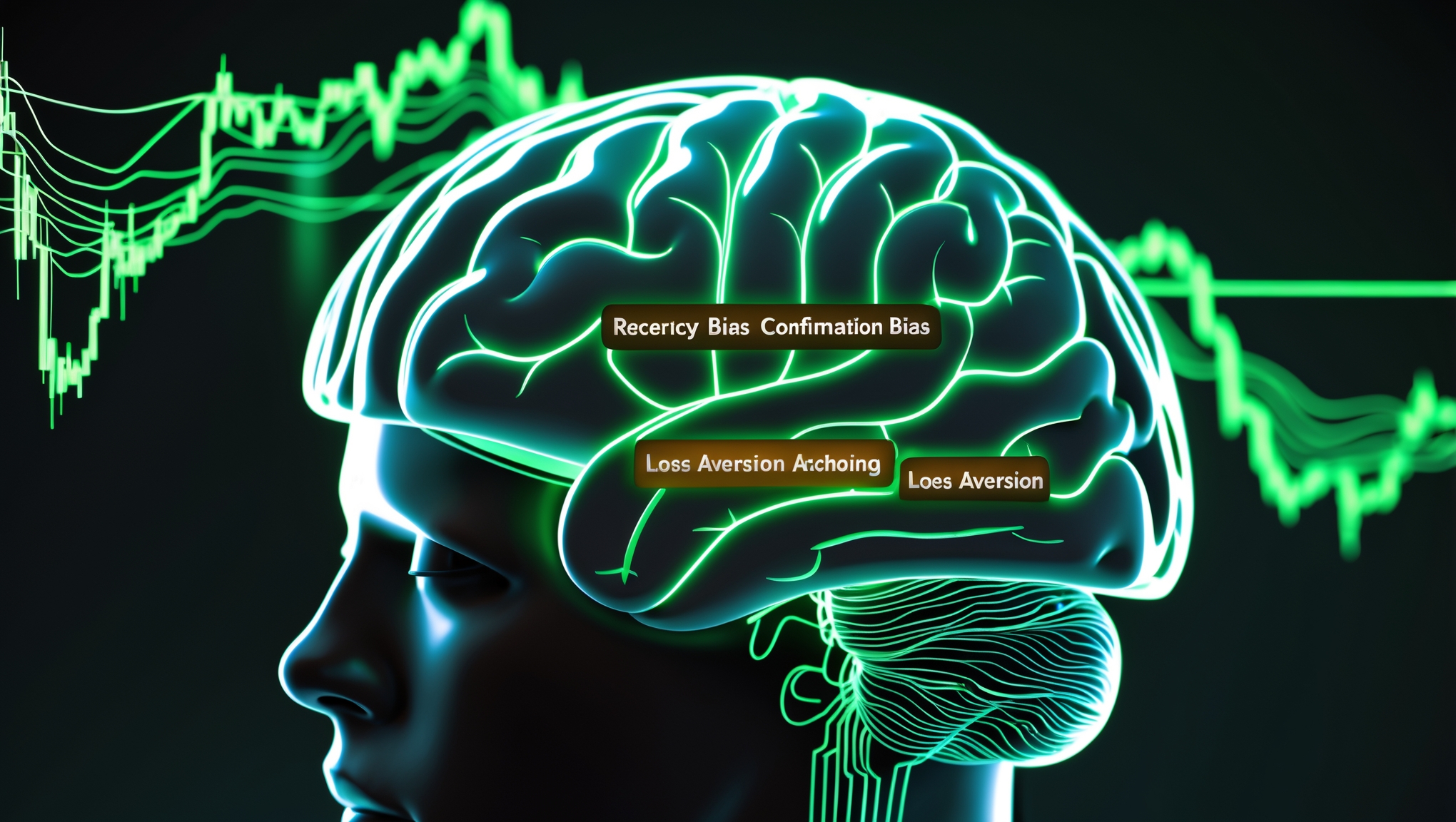
The Four Cognitive Biases That Kill Crypto Trades (And the InDecision Fix)
Most trading losses aren't caused by bad analysis — they're caused by cognitive biases that corrupt good analysis. InDecision was built explicitly to eliminate these four.
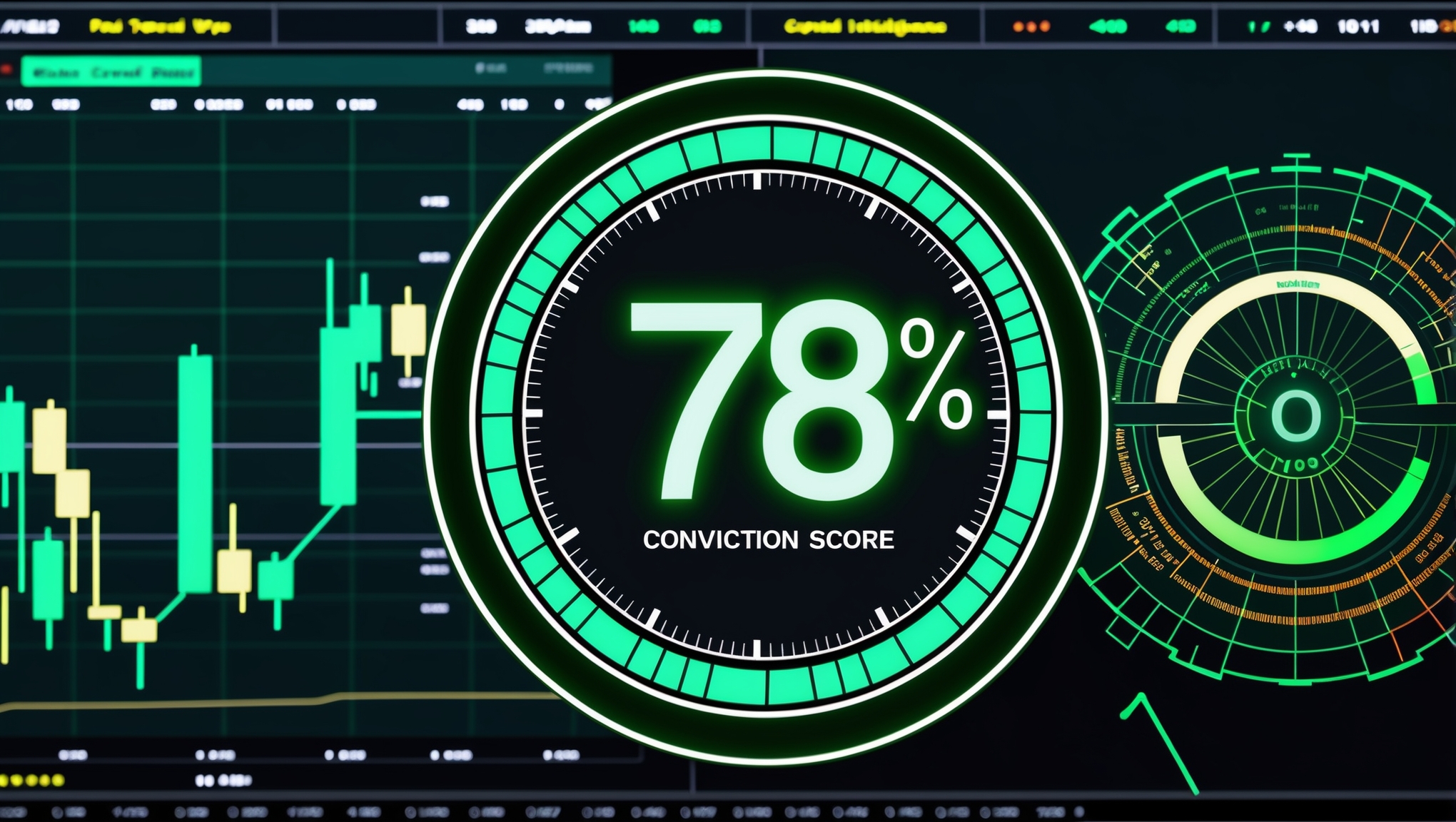
How InDecision Conviction Scores Work — And Why 70 Is the Line
Conviction scores are the output of the InDecision Framework — a 0-100 number that translates six factors into a single decision input. Here's exactly how to read and act on them.
Reading the Tape: How Volume Divergence Exposes Institutional Moves Before Price Confirms
Price lies. Volume doesn't. Understanding volume divergence is one of the highest-leverage skills in crypto analysis — and the second most important factor in the InDecision Framework.

The Fear & Greed Index Is a Contrarian Signal — Here's How InDecision Uses It
Most traders use the Fear & Greed Index directionally. InDecision uses it as a sentiment extreme detector — which is the only statistically defensible use of it.
Long Liquidation Cascades: How to Identify Them Before They Run
Liquidation cascades are the most predictable and most violent moves in crypto. The setup conditions are visible in advance. Here's how InDecision reads them.

The Overnight Session Edge: Why Asia Hours Matter More Than You Think
The Asian trading session in crypto is consistently underweighted by US traders. It sets the direction for the European session, which sets up the US session. Reading Asia isn't optional — it's the first signal of the day.
RSI Divergence Works Better on 4H Than Daily — Here's the Data
RSI divergence is one of the most taught and most misapplied technical signals. The timeframe matters more than the pattern itself. InDecision only uses it in the context where it actually performs.
Why Conviction Beats Direction: The Case for ABSTAIN
Most traders obsess over getting direction right. InDecision's edge isn't superior direction prediction — it's the discipline to not predict when the data is unclear. Here's why ABSTAIN is a power move.
The Open Interest Signal Nobody Talks About
Open interest is the most underused leading indicator in crypto. Not the level — the change. Here's what OI expansion and contraction are actually telling you about who's winning.

Tracking Smart Money With On-Chain Volume — The InDecision Approach
On-chain data gives you visibility into what wallets are actually doing — not what they're saying on Twitter. Here's how InDecision integrates on-chain volume signals into the framework.

How Seasonal Patterns Work in Crypto — And Why January Matters
Crypto isn't random. It has documented seasonal tendencies — monthly, quarterly, and halving-cycle patterns that show up consistently enough to be a framework input. Here's what the data says.
The InDecision Daily Bias Explained: How Morning and Afternoon Reads Differ
The InDecision Framework runs twice daily — a pre-market bias and an intraday confirmation. Why they differ, when to weight each, and how to use the gap between them.
Market Structure vs. Indicators: What Actually Predicts the Next Move
Most retail traders lead with indicators. Most institutional traders lead with structure. The difference in results is not a coincidence. Here's why structure is primary and indicators are secondary.
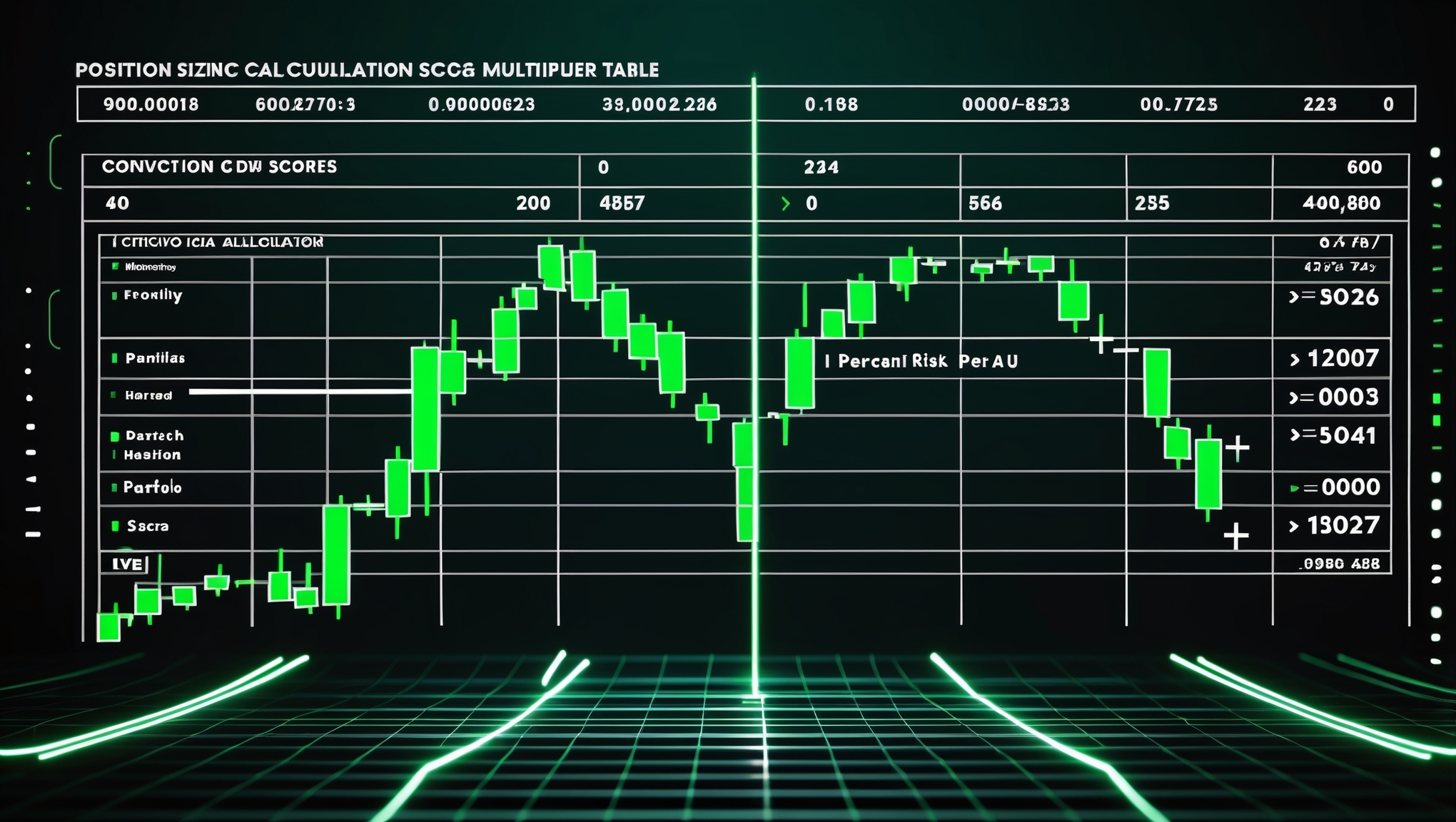
Position Sizing for High-Conviction Crypto Trades — The InDecision Model
Position sizing is where most traders leak. They size by emotion — too large when excited, too small when scared. InDecision makes sizing a mathematical output of conviction, not a feeling.
The Psychology of Holding Through Drawdowns — When to Stay and When to Fold
Every trader who has ever had a winning position has also had to decide whether the dip is noise or a reversal. The decision process that gets it right is not intuition — it's framework.

How InDecision Calls ABSTAIN — The Signal You Actually Need
ABSTAIN is InDecision's most powerful output. Not because it prevents bad trades — though it does — but because it forces you to recognize that the best trade is sometimes no trade.
Price Action vs. Signal Action: The Distinction That Changes Everything
Price tells you what happened. Signal tells you what's likely to happen next. Confusing the two is the most common analytical error in crypto. Here's how InDecision separates them.